Skip to product information
1 of 2

ladybirdplantcare.co.uk

Whitefly Control - Encarsia

Whitefly Control - Encarsia

Regular price £8.00 GBP
Regular price Sale price £8.00 GBP
Sale Sold out
Taxes included. Shipping calculated at checkout.
Select number of cards
Quantity

📦 Please note this product is shipped direct from supplier

NB This predator is only active at temperatures in excess of 18-20°C

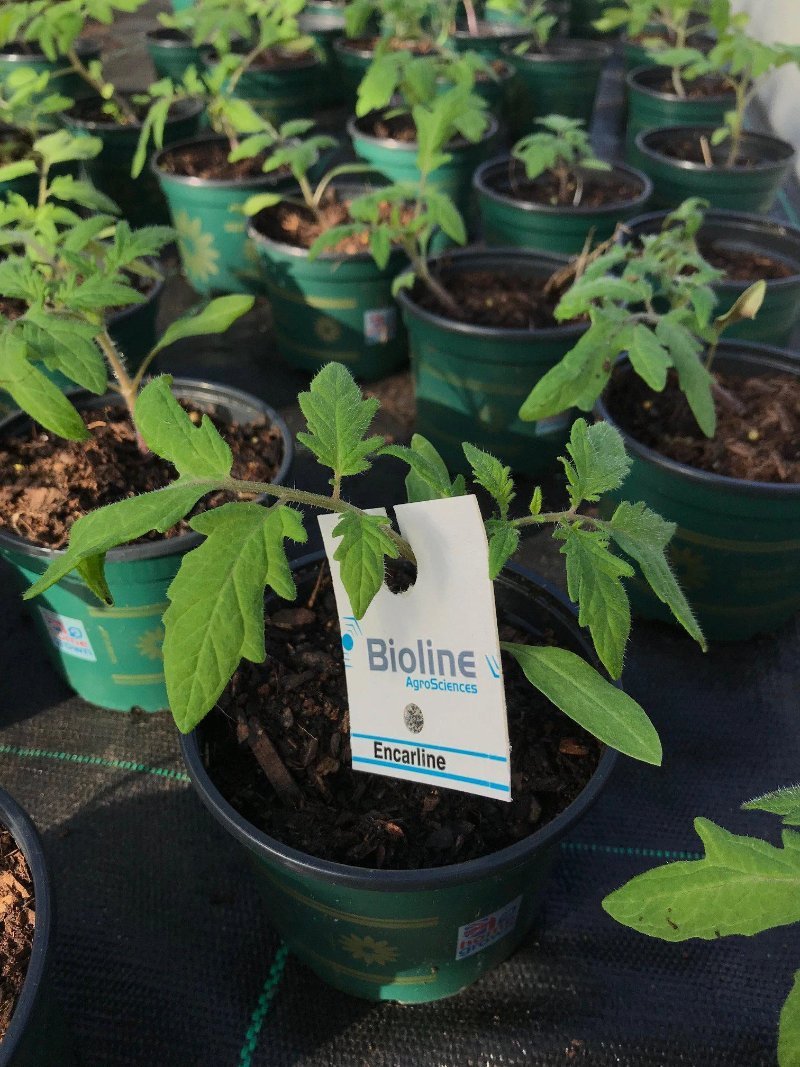
The most effective treatment for whitefly is the parasite "Encarsia". It is supplied on small cards which can be hung up around your plants.  You can read the instructions for this product HERE.

Biological controls are not always kept in stock, they are ordered in fresh.  This can sometimes lead to a time lag between when you place the order and when it is despatched.  Order by 10am Monday for same week despatch.

Glasshouse whitefly are small white flying insects which lay eggs on the undersides of leaves. Whiteflies suck sap from their host plant and drop sticky secretions onto leaves below. Left uncontrolled they will overwhelm the plant, weakening it and flying around in huge numbers. Undersides of leaves become populated with Whiteflies adults and white eggs (scales).

Whitefly are fairly inactive in cool temperatures over Winter, but multiply very quickly in warm Spring and Summer weather. They fly about at the slightest disturbance, like tiny moths, and may even create ghostly white clouds in the air.

Instructions for use

Encarsia works best with temperatures above 21°C but prefer cool glasshouse conditions below 25°C with 12hr+ daylight hours. Generally, this means introducing Encarsia from mid March to August, although it can be earlier or later with extra heat and light.

Hang cards on lower branches so that they may be in a slightly shady position.

5 cards should give good control for an average conservatory or small greenhouse. If you have a longstanding battle with whitefly follow up the initial treatment with a second introduction one week later.  If you have a low level of whitefly or are using Encarsia as a preventative method then application can be every 2 weeks.

Identifying Whitefly

Remember whiteflies are nearly always moving. If you see white threads static on tops of the leaves, they are not whitefly but something else - very likely to be shed aphid skins dropped down from developing Aphid under leaves above. Or they could be thrips larvae. They are not "whitefly" unless body and wings are a ghostly white.

The glasshouse whitefly (Trialeurodes vaporariorum)is the most common. You can recognise them by their heart-shape profile when looked from above. Tobacco whitefly (Bemisia tabaci) have parallel wings which are longer, and when folded you can still see a strip of their back between the wings. There are up to 50 different species of whitefly in Europe, but from a gardeners point of view they are all plant pests. 

Although Encarsia is very effective for the common glasshouse whitefly, it doesn't work so well for tobacco whitefly. It's therefore worth trying to identify what whitefly you have before treating. If you need any help identifying the whitefly you have then please don't hesitate to contact us.


View full details

Pest Diagnostic Calculator

Select the symptoms disrupting your ecosystem. Our biological targeting matrix will instantly deploy the perfect predatory counter-measure based on the common symptoms selected.

1. Canopy, Leaf & Fruit Indicators

2. Stem, Base & Structural Markings

3. Subterranean & Soil Matrix Indicators

Biological Pest Control — Nematodes & Beneficial Predators

Control garden pests naturally with our range of biological pest
control products, including parasitic nematodes, predatory insects, and
beneficial predators. Designed for use in gardens, allotments, raised
beds, and houseplants, our biological controls offer a safe,
chemical-free alternative to pesticides — protecting your plants while
preserving the living soil ecosystem.

Please note:
all products in the Biological Pest Control range are sent direct from our supplier and
may be dispatched separately from other items in your order.

Frequently Asked Questions

Find answers to common questions about our products and services

Biological pest controls use living organisms — such as beneficial nematodes, predatory insects, and naturally derived compounds — to manage garden pests without the need for harsh chemicals. They work in harmony with your soil and plants, making them ideal for organic and living soil growing.

Yes. Our biological pest control products are naturally derived and pose no harm to children, pets, or beneficial wildlife when used as directed. They target specific pests without disrupting the wider garden ecosystem.

Please allow up to 6 working days for delivery. Our biological pest control products are dispatched directly from our supplier to ensure they reach you in the best possible condition.

These products are fulfilled directly by our trusted supplier. This ensures the fastest possible dispatch and that live or perishable biological products are handled correctly throughout the delivery process.

For best results, apply in the early morning or evening when temperatures are cooler and UV levels are lower. Avoid applying during heavy rain or extreme heat. Always follow the specific guidance included with each product for optimal effectiveness.